
Brands That Move: Why High-Energy Marketing Works (and When It Backfires)

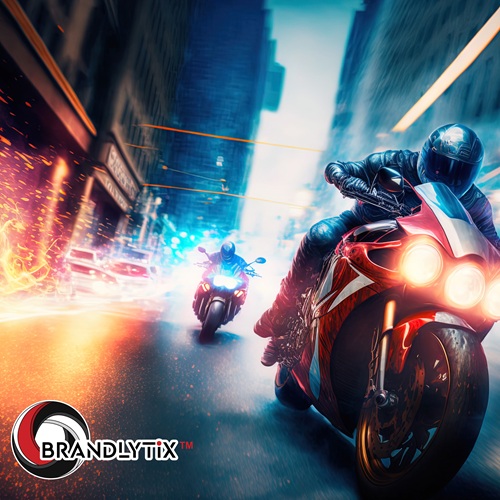
Action films keep audiences hooked through speed, intensity and big, memorable moments. The same pattern appears in marketing. High-energy campaigns can ignite attention, create fast momentum and pull people toward a brand with real force.
The challenge is that energy alone is not enough. A powerful action sequence only works when it is part of a well-directed story. High-energy marketing needs the same intention. When done well, it creates memorable impact. When misused, it overwhelms audiences, drains budgets and weakens brand identity.
The Power of Momentum: Why High-Energy Marketing Works
High-energy marketing creates an immediate spark. Fast-paced visuals, bold creative choices and strong calls to action are designed to capture attention within seconds. In a crowded digital environment, this type of marketing cuts through the noise and helps a brand stand out. People respond quickly to movement, colour and urgency. This makes action-style campaigns especially effective during launches, sales periods and competitive moments where rapid engagement matters.
The strength of this approach lies in its ability to generate instant visibility. A well-timed burst of high-energy content can produce quick traction and bring new audiences into a brand's orbit. It can also create emotional momentum. The excitement of a launch countdown, the anticipation of a major announcement or the energy of a live event can motivate people to act immediately.
Tips for Marketers:
Use high-energy marketing when you need immediate results. Pair fast-paced creative with a clear, simple message that people can understand quickly. Choose one primary action you want the audience to take. Make sure your timing is purposeful. A high-impact moment is most effective when it supports a defined objective such as a product reveal or seasonal campaign.
The Danger Zone: When High-Energy Marketing Backfires
High-energy marketing works best in measured bursts. When used too often, it can create fatigue. Audiences may lose interest or stop responding because everything feels loud and constant. When every campaign tries to create urgency, the sense of urgency eventually disappears. People also need time to absorb information. Extremely fast pacing can make it difficult for your message to land.
This approach can also place unnecessary pressure on budgets and internal teams. High-energy marketing often requires frequent content creation, rapid execution and a high volume of assets. Without a clear strategy, it can turn into a cycle of producing more for the sake of appearing active. Brands that rely too heavily on intensity may unintentionally weaken their positioning. When the focus is on constant activity, the brand story can become unfocused or inconsistent.
Tips for Marketers:
Pay attention to audience behaviour. A drop in engagement often indicates burnout. Limit the use of high-intensity tactics to moments where they serve a clear purpose. Review your brand guidelines before creating an energetic campaign to ensure the tone aligns with your identity. Protect your budget by planning high-energy activity in advance instead of reacting impulsively.
Finding the Right Pace: How to Use High-Energy Marketing Wisely
The most successful action films balance fast scenes with slower ones. This creates rhythm. Marketing benefits from the same approach. High-energy campaigns become more powerful when they occur within a broader content plan that includes education, storytelling and long-term brand building. When the pace varies, each energetic moment feels more intentional and impactful.
High-energy marketing works best when it is supported by strong preparation. Brands that map out their major moments for the year can design campaigns that feel cohesive rather than chaotic. Planning allows teams to create high-quality assets, refine messaging and choose the right channels. It also helps marketers avoid wasting resources on unnecessary bursts of activity.
Tips for Marketers:
Create an annual or quarterly campaign calendar that highlights key moments where high-energy marketing will have the greatest effect. Balance these bursts with slower, informative content that builds trust over time. Evaluate the performance of each high-energy activity and track what generated the strongest engagement. Use these insights to refine your pacing and improve future campaigns.
The Knockout Punch: Turning Momentum Into Meaning
High-energy marketing has real power. It brings excitement, visibility and momentum. It can shape audience perception faster than almost any other approach. The true strength of this style lies in using it with intention. When energy supports strategy, it elevates the brand. When it becomes constant, it loses its impact.
By understanding when to accelerate and when to slow the pace, marketers can create campaigns that feel dynamic without losing direction. The best brands, like the best films, know how t
Related Articles



BRANDLYTIX
Agency

