
Precision Meets Performance: How Digital Marketing Is Transforming the Manufacturing Sector

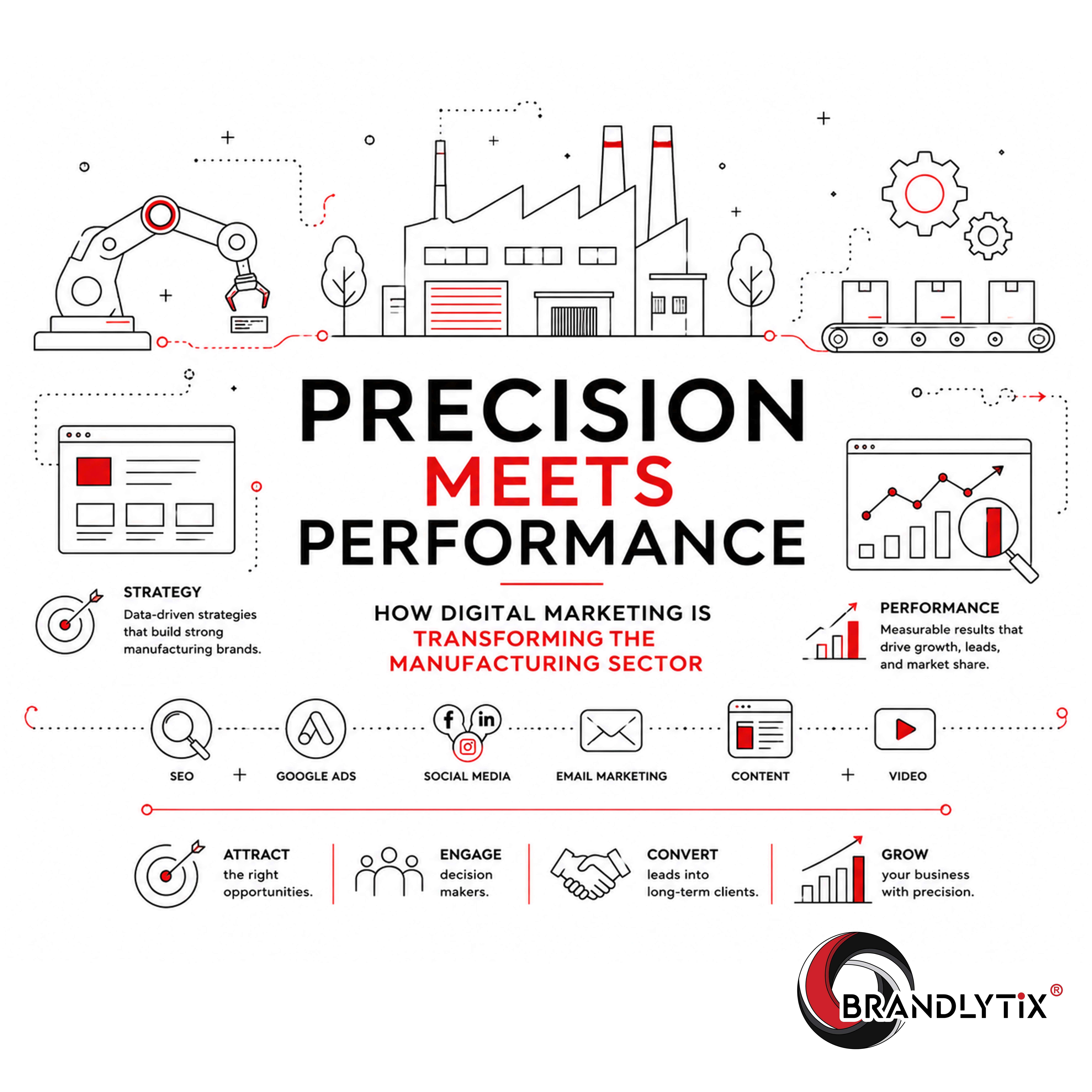
Manufacturing in South Africa has long been built on strong relationships, technical expertise, and operational reliability. Many businesses in the sector have grown through referrals, long-standing partnerships, and reputation within their industries. While these foundations remain important, buyer behaviour has shifted. Today, decision-makers are doing far more research before they ever speak to a sales team.
Procurement managers, engineers, and business owners are turning to search engines, industry platforms, and digital content to evaluate suppliers. They expect clear information, accessible insights, and a sense of credibility from the first interaction. For manufacturers, this creates a new reality. Digital marketing is no longer optional. It is a critical part of how businesses are discovered, understood, and ultimately selected.
From Trade Shows to Search Engines: Where Manufacturing Buyers Begin
Trade shows, site visits, and personal networks still play an important role in the manufacturing sector. However, they are no longer the starting point. In many cases, the buying journey begins online. A potential client may search for a specific component, a supplier in a particular region, or a solution to a production challenge. If your business does not appear in those search results, you may never enter the conversation.
This is especially relevant in South Africa, where competition includes both local manufacturers and international suppliers. Visibility in search results helps level the playing field. It allows smaller or specialised businesses to compete based on expertise rather than size alone.
A well-structured website, supported by search engine optimisation and informative content, becomes your digital storefront. It should clearly explain what you do, who you serve, and how you solve problems. When buyers can find and understand your offering quickly, they are more likely to take the next step.
Tips for Marketers:
Focus on being visible at the research stage. Invest in search engine optimisation and create clear, detailed service pages. Think about the questions your customers are asking and build content that answers them directly and simply.
Simplifying Complexity: Turning Technical Expertise Into Clear Messaging
Manufacturing businesses often deal with complex products, processes, and specifications. This expertise is valuable, yet it can be difficult to communicate effectively. Many websites and marketing materials become overloaded with technical language that is hard to interpret, especially for non-technical stakeholders involved in the decision-making process.
Clarity is essential. Buyers are not only looking for technical capability. They are looking for confidence. They want to understand how your solution fits their needs, how reliable your processes are, and what results they can expect.
This does not mean oversimplifying your offering. It means structuring your message in a way that is easy to follow. Clear explanations, supported by real examples, help bridge the gap between technical detail and practical understanding. Case studies, project summaries, and visual content such as diagrams or videos can make a significant difference.
In a South African context, where industries such as mining, construction, and agriculture often intersect with manufacturing, your audience may include a mix of technical and commercial decision-makers. Your messaging needs to speak to both.
Tips for Marketers:
Break down complex offerings into clear, benefit-led messaging. Use real-world examples to show how your solutions work in practice. Keep language accessible while maintaining accuracy, and structure your content so it guides the reader step by step.
Building Long-Term Pipelines: Digital Marketing as a Lead Engine
Manufacturing sales cycles are rarely short. Decisions often involve multiple stakeholders, budget approvals, and detailed evaluations. This means that digital marketing should not be viewed as a quick lead generation tool. Instead, it should be seen as a long-term engine that supports relationship building and consistent visibility.
Platforms such as LinkedIn are particularly valuable in the B2B space. They allow manufacturers to share insights, highlight projects, and stay visible to their target audience over time. Email marketing and content marketing also play a role in nurturing leads, providing useful information, and reinforcing your expertise.
Consistency is key. A single campaign may create awareness, but ongoing communication builds familiarity and trust. When a potential client is ready to make a decision, they are more likely to choose a brand they recognise and understand.
Digital marketing also supports your sales team. When prospects are already informed and engaged, conversations become more productive. Sales cycles can move more efficiently because the groundwork has already been laid.
Tips for Marketers:
Develop a long-term content and communication plan. Use LinkedIn, email, and informative content to stay visible and relevant. Focus on building relationships over time rather than chasing immediate conversions.
Engineering Growth: A Smarter Approach to Manufacturing Marketing
Manufacturers understand the importance of systems, precision, and long-term planning. Digital marketing requires the same approach. It is not about quick wins or constant activity. It is about building a structured, consistent presence that supports growth over time.
In South Africa’s evolving economic landscape, manufacturers who embrace digital marketing with intention will be better positioned to compete, both locally and globally. By becoming visible at the right moments, communicating with clarity, and nurturing relationships throughout the buying journey, they can strengthen their market position and create new opportunities for growth.
The future of manufacturing is not only about what happens on the production floor. It is also about how effectively a business can communicate its value in a digital world. When marketing is approached with the same discipline as operations, it becomes a powerful driver of long-term success.
Related Articles



BRANDLYTIX
Agency

